When to Install New Gutters vs. Replace Existing Ones on Your Home
When considering when to install new gutters vs. replace existing ones on your home, local contractors can assess your needs and provide expert installation or replacement services.
If you’re trying to determine when to install new gutters versus replacing existing ones on your home, you’re in the right place. Property owners in the area often face this decision as part of maintaining or improving their homes’ exterior. Factors like the age of current gutters, visible damage, or recurring issues with leaks and clogs can influence whether a simple upgrade or a complete replacement is the best choice. Understanding these signs can help homeowners make informed decisions, ensuring their property stays protected from water damage and other related problems. Local contractors who specialize in gutter installation can provide insights tailored to the specific needs of homes in the area, helping residents choose the most effective solution.
Exploring when to install new gutters versus replacing existing ones is a practical step for homeowners looking to preserve their property’s value and functionality. If gutters are severely corroded, sagging, or have sustained damage from storms or wear over time, replacement may be the most reliable option. Conversely, if the existing gutters are relatively intact but outdated or inefficient, a new installation might be sufficient to improve performance. Connecting with experienced service providers can ensure the right approach is taken based on the condition of existing gutters and the homeowner’s goals. These local experts can help evaluate whether a repair, upgrade, or full replacement makes the most sense, providing peace of mind for property owners considering their gutter options.
- When to install new gutters - homeowners may need new gutters when existing ones are severely damaged or beyond repair, with local contractors assessing the condition to recommend replacement.
- Replacing existing gutters - is often necessary if gutters are outdated, rusted, or improperly functioning, and local service providers can help determine if a full replacement is the best option.
- When to install new gutters - is suitable if current gutters are sagging, leaking, or causing water damage, with local pros offering installation to improve drainage and protect the home.
- Replacing existing gutters - might be the right choice if repairs are frequent and cost-prohibitive, as local contractors can provide a thorough evaluation to guide the decision.
- When to install new gutters - can be considered if the home’s gutter system is incompatible with new roofing or siding, with local specialists able to recommend and install compatible options.
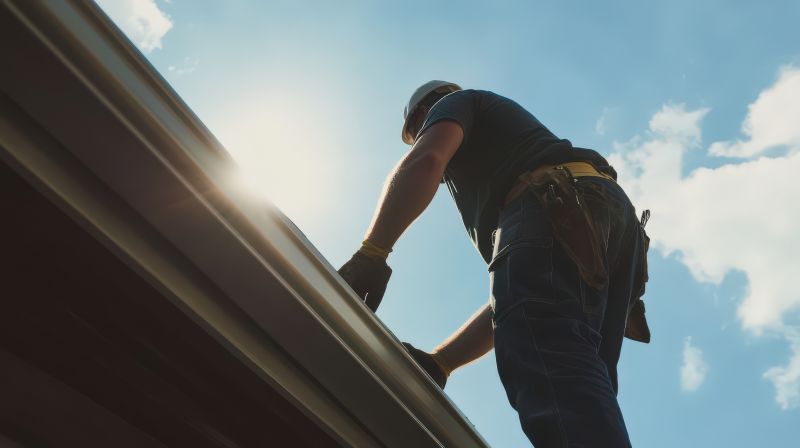
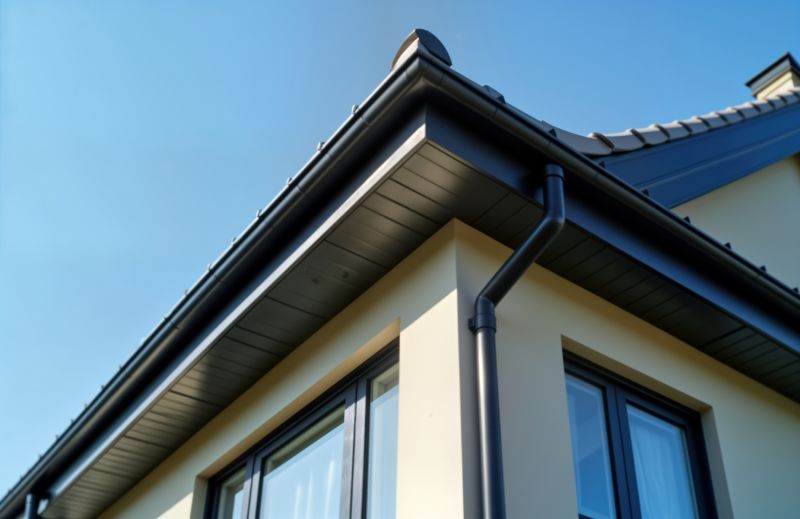
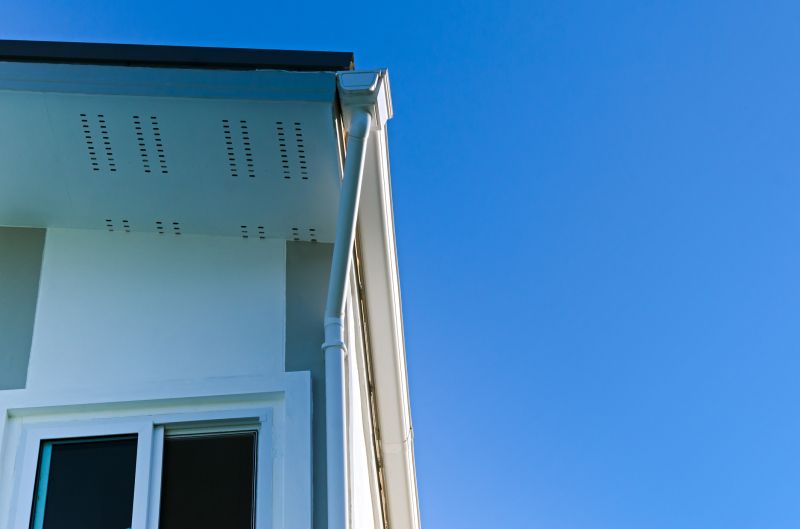
Understanding when to install new gutters versus replacing existing ones is a common concern among homeowners planning improvements or repairs for their property's drainage system. When searching for this topic, many are trying to determine whether their current gutters can be repaired or if a full replacement is necessary. This decision often relates to ongoing or recent issues like water damage, overflowing gutters, or persistent leaks. Homeowners may also be considering upgrades to improve curb appeal or to ensure their home’s drainage system meets new building standards. The goal is to find a practical solution that addresses existing problems while avoiding unnecessary work, making it important to understand the condition of current gutters and how local service providers can assist in making the right choice.
This topic typically comes up in the context of property maintenance, renovation projects, or after experiencing weather-related damage. For example, homes with older gutter systems might develop leaks, rust, or sagging that compromise their function. Similarly, properties suffering from foundation issues or water damage in the basement could be dealing with faulty gutters. Homeowners might also be planning to replace or upgrade gutters to better handle increased rainfall or to match new roofing materials. These considerations are relevant for a variety of property types, including single-family homes, multi-unit residences, or commercial buildings, all of which require different approaches based on their size, age, and existing drainage setup.
In many cases, the decision to install new gutters or replace existing ones hinges on the condition and age of the current system. For gutters that are relatively new and show minimal damage, repairs or minor upgrades may be sufficient. However, when gutters are severely corroded, bent, or sagging, replacing them entirely might be the more cost-effective and long-lasting solution. Local contractors can evaluate the existing system to determine whether repairs will extend its lifespan or if a full replacement will provide better performance. This assessment helps homeowners avoid ongoing issues and ensures their property’s drainage system functions effectively, especially during heavy rain or storms.
Properties that often require these decisions tend to be older homes or buildings with outdated gutter systems. Such properties may have gutters made from materials like aluminum or steel that have deteriorated over time. Newer homes might also need gutter replacements if their systems were improperly installed or have become incompatible with recent upgrades like new roofing or landscaping. For homeowners planning a renovation or facing persistent drainage issues, understanding the difference between installing new gutters and replacing existing ones is crucial. Local service providers are equipped to evaluate the condition of existing gutters and recommend the most practical solution, helping homeowners make informed choices that protect their property and improve its overall drainage performance.
Gutter Repair Services - repairing damaged or leaking gutters requires similar skills and tools as installing or replacing gutters, making these services relevant for assessing when to upgrade or replace existing systems.
Roofing Maintenance and Repair - roofing projects often involve working in close proximity to gutters, and understanding roof conditions can help determine whether to install new gutters or replace old ones.
Downspout Installation and Repair - installing or repairing downspouts is closely related to gutter work and can be part of a comprehensive assessment of the home's drainage system.
Exterior Home Improvement Projects - tasks like siding or soffit repairs often require access to gutters, and coordinating these projects can influence decisions on gutter replacement or installation.
Cladding and Fascia Replacement - replacing or repairing fascia boards and cladding involves working around gutters, which can impact the timing and approach for gutter updates.
Water Drainage System Assessments - evaluating a home's overall drainage setup includes examining gutters, helping determine whether new installation or replacement is needed for optimal performance.
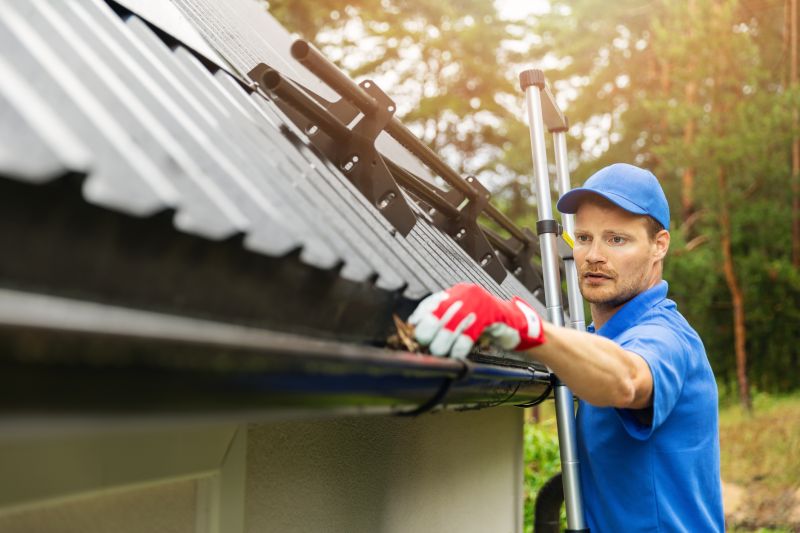
When evaluating local contractors for gutter installation or replacement, it’s important to consider their experience with similar projects. Homeowners should inquire about how many gutter-related jobs they have completed and whether they have handled both installations and replacements in homes with comparable styles or conditions. A contractor with a solid track record in these specific services can provide insights into the best approach for your home’s needs, whether it’s installing new gutters or replacing existing ones. Additionally, asking for clear, written expectations can help ensure that both parties understand the scope of work, materials used, and any necessary preparations, reducing the likelihood of misunderstandings during the project.
Reputable references are a key factor when comparing local service providers. Homeowners are encouraged to seek out reviews or testimonials from previous clients who had similar gutter projects completed. These references can offer valuable perspectives on the contractor’s reliability, quality of work, and professionalism. It’s also beneficial to verify that the contractor maintains good communication throughout the process, keeping homeowners informed about progress, potential issues, and options for different types of gutters or replacement methods. Effective communication helps ensure that expectations are aligned and that the project proceeds smoothly from start to finish.
Ultimately, choosing a local contractor who demonstrates consistent experience, provides clear written expectations, and maintains open communication can make a significant difference when deciding between installing new gutters versus replacing existing ones. Homeowners should prioritize service providers who show a thorough understanding of the nuances involved in both scenarios, including assessing whether existing gutters are salvageable or if a full replacement is necessary. By focusing on these qualities, homeowners can feel more confident in selecting a trusted professional to handle their gutter needs efficiently and effectively.
Property owners often search for when to install new gutters vs. replace existing ones on your home when they are planning practical projects around their homes and businesses. Local pros provide New Gutters Installation services for everyday jobs and straightforward project options.
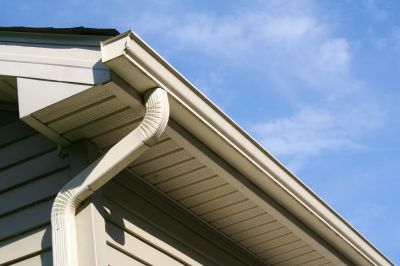
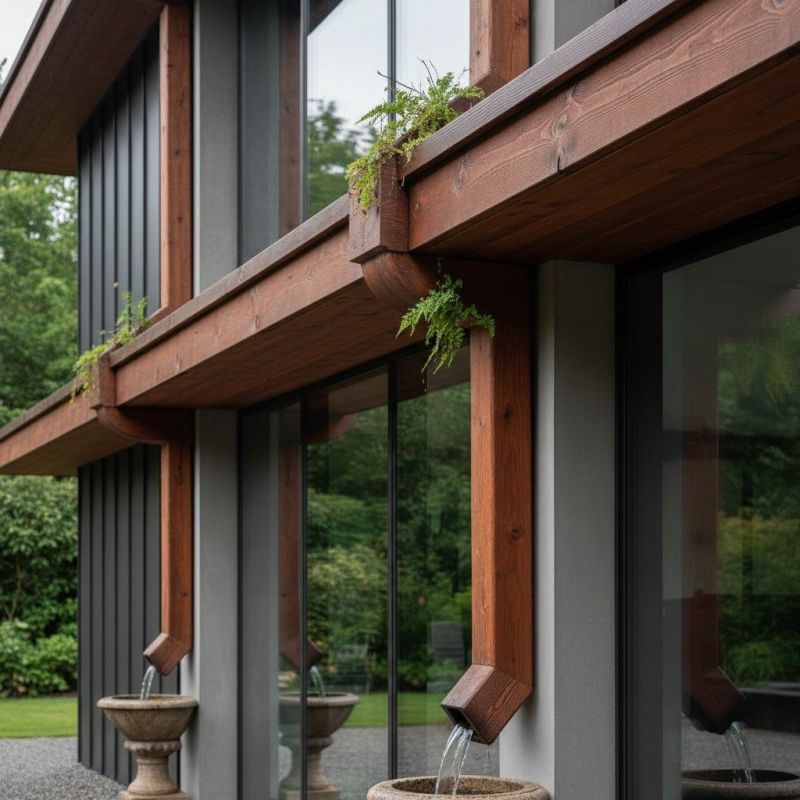
Understanding when to install new gutters versus replacing existing ones is a common consideration for homeowners looking to maintain their property's exterior. If gutters are showing signs of significant damage, such as extensive rust, sagging, or persistent leaks that cannot be repaired, it may be time to consider a full replacement. Local contractors can assess the condition of existing gutters and determine whether a new installation would provide a more effective and long-lasting solution, especially if the current system is outdated or no longer functioning properly.
On the other hand, if the existing gutters are relatively intact but have minor issues like small leaks, loose brackets, or clogged channels, repairs or upgrades might be sufficient. In cases where the gutters are nearing the end of their lifespan or have been damaged by severe weather, installing new gutters can improve overall performance and curb appeal. Service providers in the area can help evaluate the specific needs of a home and recommend whether a replacement or new installation is the best approach to ensure proper water drainage and protection.
When should you consider installing new gutters instead of replacing existing ones? If your current gutters are severely damaged, sagging, or have extensive leaks that cannot be repaired, installing new gutters may be the best option. Local contractors can evaluate the condition to help determine the most suitable solution.
How can I tell if my existing gutters need to be replaced rather than repaired or upgraded? Signs such as persistent leaks, rust, sagging, or detached sections indicate that replacement might be necessary. Service providers can assess whether repairs are sufficient or if a full replacement is recommended.
What factors influence the decision to install new gutters versus replacing existing ones? The age of the gutters, extent of damage, and overall performance are key factors. Experienced local contractors can advise on whether repair, upgrade, or full replacement is appropriate based on these conditions.
Is it better to install new gutters if my current ones are outdated or no longer effective? Yes, installing new gutters can improve performance and curb appeal when existing gutters are outdated or no longer functioning properly. Service providers can help choose the right style and material for your home.
When do local contractors recommend replacing gutters instead of installing new ones? Replacement is often recommended when existing gutters are beyond repair, have significant structural issues, or do not match the current needs of the home. Professionals can evaluate the situation and suggest the best course of action.
Assessing gutter condition - Regularly inspecting existing gutters can help determine if they are still functional or need replacement before installing new ones with the help of local contractors.
Considering installation timing - Planning new gutter installation during home renovations or after storm damage can ensure proper integration and long-term performance.
Evaluating gutter material needs - Choosing the right material based on the age and condition of existing gutters can guide whether to replace or install new gutters with local service providers.
Matching gutter styles with home design - Consulting with local pros can help decide if installing new gutters is appropriate to complement the current style or if replacement is necessary for aesthetic consistency.
If you are thinking about when to install new gutters vs. replace existing ones on your home for a property, this guide is meant to help you understand this topic, the typical project types, and how different options might fit your plans.
When you are ready, you can use the quote form on this page to share a few details about your project. From there, local pros can review the basics and follow up with options that match what you have in mind.